
The corner of the office where Wi-Fi went to die
Every office floor plan has a Bermuda Triangle. Ours in Đà Nẵng is the back room past the stairwell, on the far side of enough concrete and rebar to stop a tank, and for two years the Wi-Fi there was a rumor. People took calls from that room and turned into slideshow versions of themselves. The desk in the corner was technically a workstation and functionally a punishment, assigned to whoever joined last.
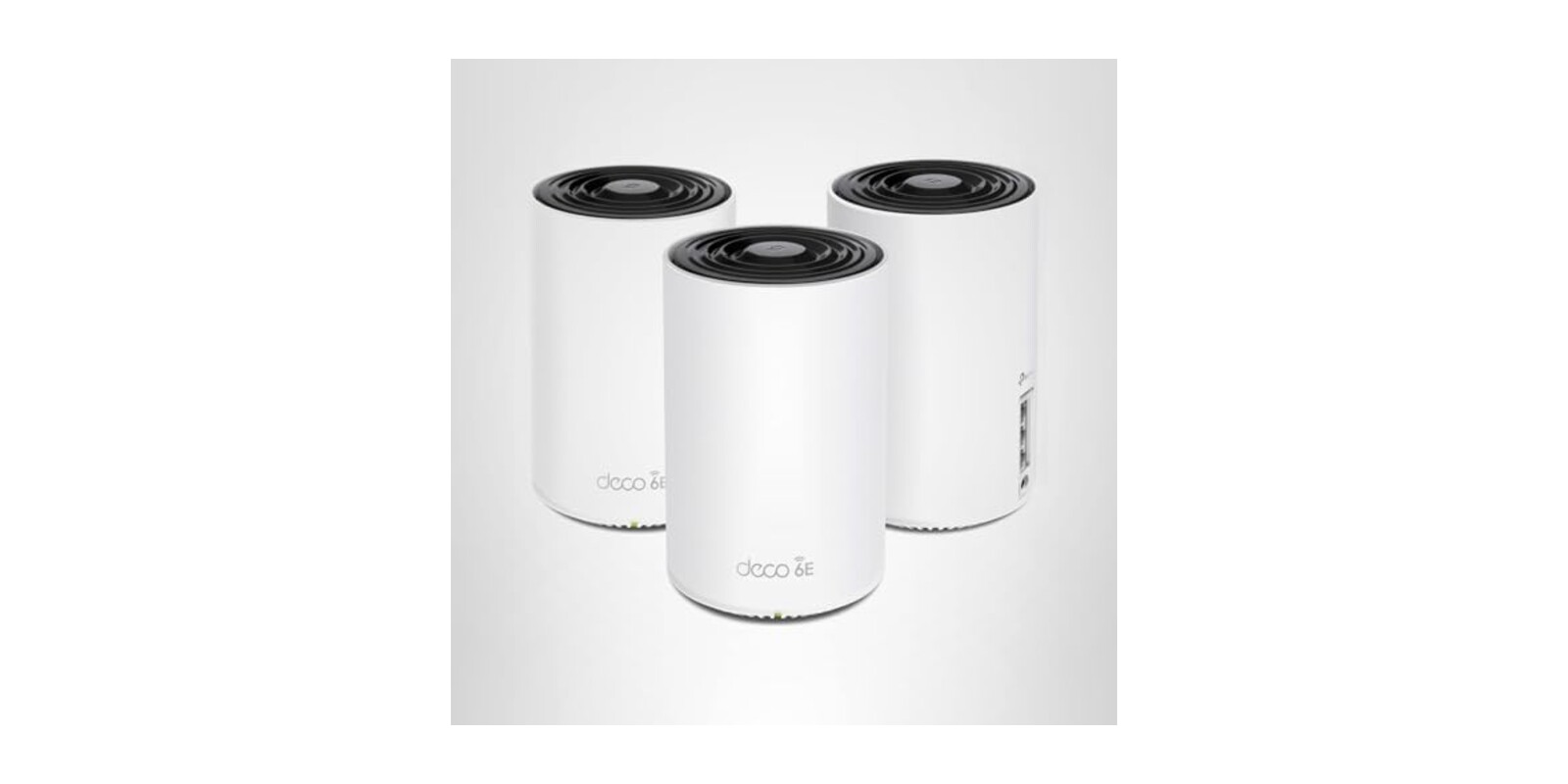
Vietnamese commercial buildings are built like bunkers, and no single router, however many antennas it grows, negotiates with that much concrete. The fix that finally worked was giving up on one loud router and going to several quiet ones: a TP-Link Deco XE75 mesh system, three white cylinders that look like polite kitchen appliances and cover the floor plan as a team. One by the fiber entry, one mid-office, one past the stairwell. The back room now has the same Wi-Fi as everywhere else, and the corner desk has lost its reputation.
Who Actually Needs This
Not everyone. A one-room studio with a decent router does not need three of anything. This is for:
- 🏢 Offices or houses with dead zones that survived a router upgrade. If the problem is walls, more transmit power isn't the answer, more transmitters are.
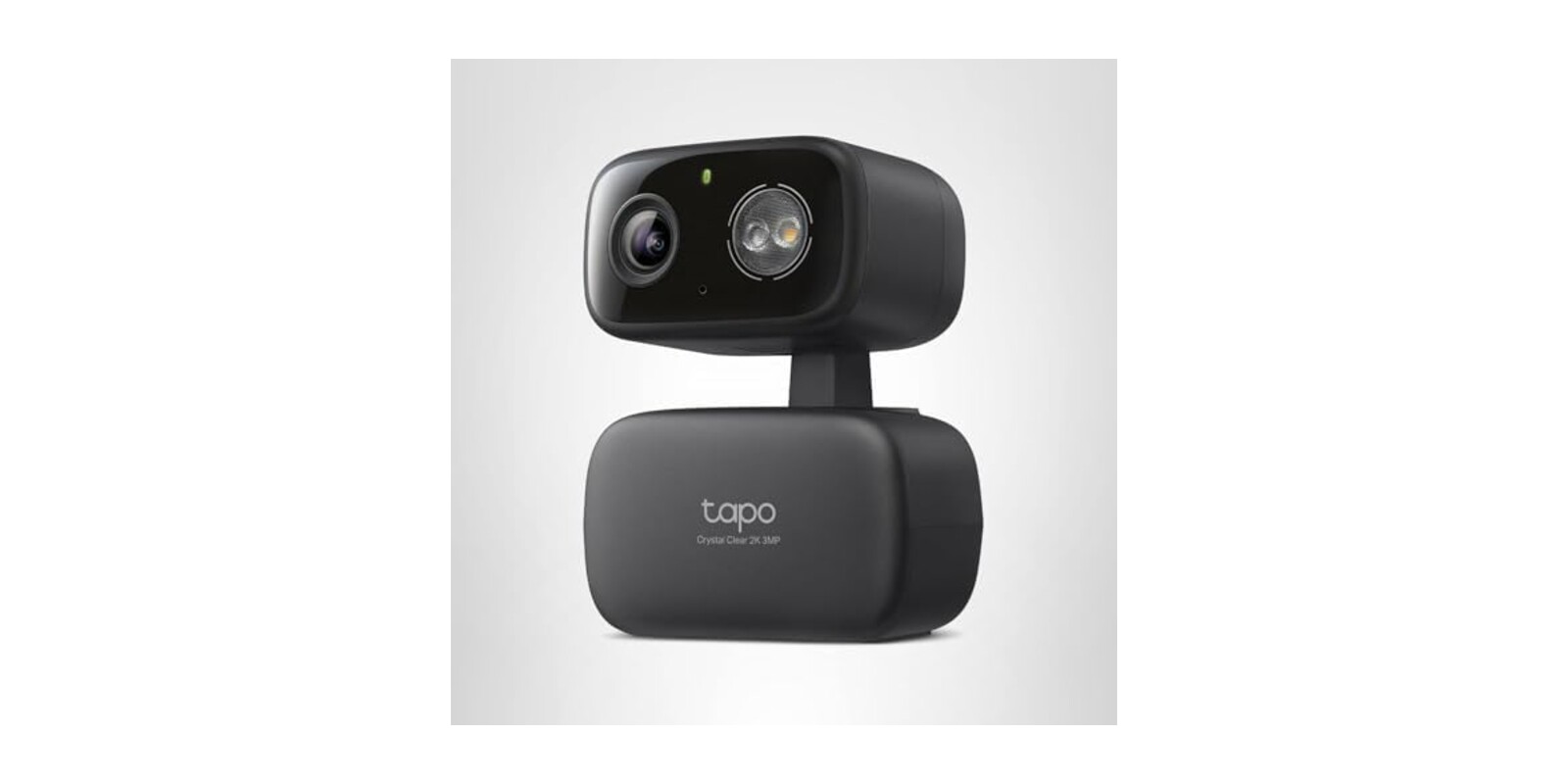
- 📱 Device-heavy spaces. Between laptops, phones, test devices, and the camera by the door, our network carries more clients than it has humans, and mesh systems are built for that headcount.
- 🏠 Multi-floor homes, where the reviews are full of people finally getting signal to garages, gardens, and the doorbell at the end of the drive.
- 🧑💻 People who want ten-minute setup from an app, not an evening in a router admin panel from 2009.
What It Gets You
Coverage as a system, not a shout
Three units cover up to 7,200 square feet between them, and your devices hop between them automatically as you move, same network name, no ceremony. Walking a video call from the meeting room to the back room without the call noticing is the whole product demonstrated in ten seconds.
A radio band with no traffic on it
The XE75 is Wi-Fi 6E, which adds the 6GHz band, and by default the units use that clean band to talk to each other. That backhaul is why the far puck delivers real speed instead of a faint echo of it. Newer laptops and phones that speak 6E can use the band directly too; everything older keeps working as normal.
An app your least technical colleague can drive
Setup is genuinely the strong suit, with review after review from self-described network engineers and self-described idiots agreeing it took them a quarter of an hour. Guest network, device list, and parental-style controls live in the app without a subscription being held over you, which one reviewer discovered was not true of a competitor and returned it on principle.
💡 Tien's Note
If the building has ethernet in the walls, plug the far unit in and let the mesh use wired backhaul. Wireless backhaul is good; a cable is physics. Our stairwell unit is wired and it's the difference between "fast" and "same as standing next to the router."
The Honest Version
4.4 stars across more than seven thousand ratings, with the praise clustering exactly where you'd want: dead zones eliminated, setup painless, stability good after recent firmware. The most useful reviews are from people with genuine networking backgrounds running it in access-point mode behind their own gear, and mostly approving.
Now the caveats. One former network engineer documented the 6GHz backhaul failing intermittently until he fell back to ethernet, and while another long-term reviewer says firmware updates transformed his system into faultless, the pattern suggests early firmware was rough and the cable fallback is worth having available. The app's device list names things cryptically, so expect a session of renaming "unknown device" entries. To feel the 6E speed specifically you need 6E devices, which most offices don't fully have yet; the coverage benefits arrive regardless.
And the bigger conversation: TP-Link's security posture has been publicly questioned, including litigation in the US alleging overstated security claims. I'm not equipped to referee that, and you should know it's part of the picture. Our position is pragmatic: office guest traffic and call bandwidth, sensitive work behind its own encryption anyway, firmware kept current. Your calculus may differ, and for some readers that's reason enough to shop elsewhere, which is a sentence product pages will never write but I can.
The corner desk, meanwhile, has been claimed voluntarily for the first time in company history. By someone senior. That's the benchmark that matters.
As Amazon Associates we earn from qualifying purchases. This comes at no extra cost to you.