The Power Bank That Got My Laptop Through a Dead Layover in Singapore
The London to Đà Nẵng route doesn't exist as one flight, no matter how much I wish it did. It's Heathrow to Singapore, a layover that's supposed to be two hours and turns into four the moment anything upstream goes wrong, then the last leg down into Đà Nẵng. Changi has plenty of outlets in theory. In practice, every one near the gate is already claimed by someone who got there before you and has no intention of moving, laptop cable snaking under three seats like it's marking territory.
I landed in that exact spot in June, deck half finished, laptop at 9 percent, connecting flight delayed with no outlet in sight. Not a crisis, just the specific low-grade misery of watching a battery icon count down while you're trying to close out slides before a client call that's happening whether your laptop is charged or not. That trip is why I started actually caring about a power bank that could keep a MacBook alive, not just top off a phone. The TALIX 140W USB-C power bank has been in the travel bag since, and it's the first one that's actually solved the problem instead of just delaying it by twenty minutes.
Most power banks marketed for laptops quietly aren't. They'll trickle a phone fine and then choke the second a MacBook Pro asks for real wattage. This one is built around a single high-output port that's meant to feed a laptop specifically, which sounds like a small distinction until you're the one sitting on an airport floor doing the math on whether 15W is going to save you.
Who Actually Needs This
Not everyone needs to carry an extra pound and a half of battery through security. This is for a narrower list.
- ✈️ Anyone doing long-haul routes with layovers, where "find an outlet" isn't a reliable plan
- 💻 People who actually need laptop charge on the move, not just a phone top-up
- 🔌 Anyone who's sat through a delay watching a battery icon drop with no gate outlet in reach
- 🏕️ People who want one battery that covers a laptop, a phone, and a small gadget or two during outages or camping trips
What It Gets You
140W to the port that actually needs it
The single USB-C1 port pushes up to 140W peak (PD 3.1 EPR), which is enough to take a MacBook Pro 16" from empty to half in about 32 minutes, or a Lenovo Legion to half in around 39, assuming a PD 3.1 EPR cable and a compatible laptop. That's the number that matters for the layover scenario. It's not trying to be a fast charger for everything at once, it's trying to get a dead laptop back to usable before your gate changes for the third time.
The pass-through trick
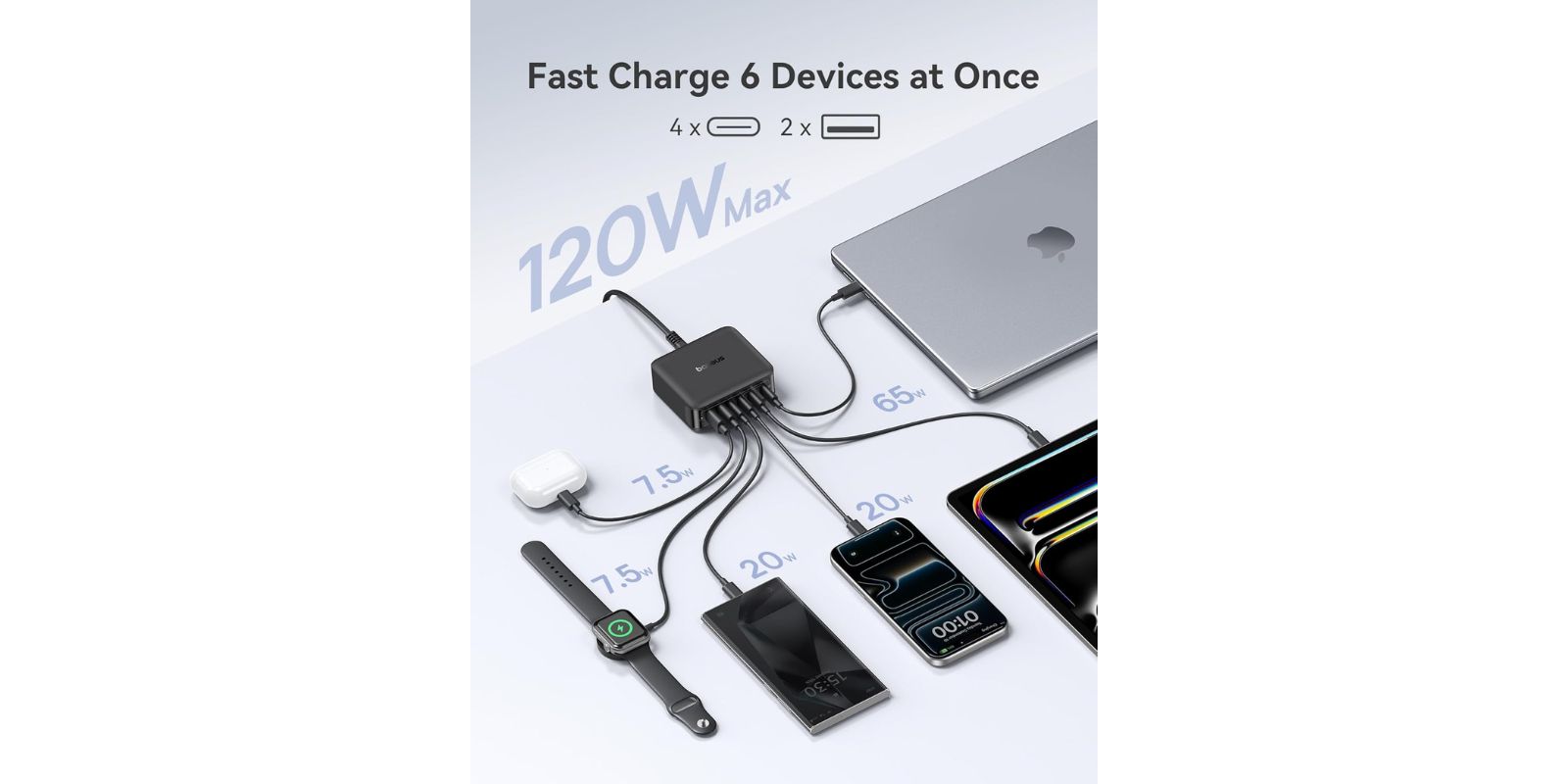
TALIX calls it Digital Hybrid Charging, which is a lot of words for a genuinely useful idea: plug the bank into a wall or a laptop's own 65W adapter, and it combines that incoming power with its own stored charge to push out the full 140W while also topping itself up. It effectively turns one wall outlet into a hub for a laptop and a phone at the same time, which solves the other half of the Changi problem, the part where there's exactly one free socket and two devices that need it.
20,000mAh, and how fast it refills
Capacity works out to roughly 3.8 full charges for an iPhone 16 Pro Max or about 1.2 for a MacBook Air M3. It's not the biggest bank on the market, and it isn't trying to be. What stood out more was the self-charge speed: 75 to 80 minutes to refill fully off a 100W input, which is fast enough to top up during a layover instead of needing it charged and ready before you leave the house.
Built to actually board the plane
At 73Wh it sits safely under the 100Wh airline carry-on limit, and it's FCC certified, which is the baseline you want before trusting a battery to a security screening. Size is 6.06 x 2.00 x 1.53 inches, weight 14.8 ounces, close enough to a standard water bottle that it doesn't feel like a separate packing decision.
💡 Tien's Note
Pushing the full 140W does generate real heat, one reviewer measured around 55°C mid-charge, which the bank appears to manage by throttling itself rather than anything alarming. Worth knowing before you tuck it under a jacket in an overhead bin. Give it airflow while it's working hard and it's a non-issue.
The Honest Version
It's sitting at 4.5 out of 5 stars, but off only 47 ratings, which is a small enough sample that I'd treat the star rating as a decent early signal rather than a settled verdict. The praise is consistent on the things that matter for this use case: reliable output, an accurate digital display for tracking charge in real time, and genuinely fast recharge times that multiple buyers confirmed independently rather than just repeating the spec sheet.
The clearest caveat came from a Vine reviewer who liked how it performed but wasn't convinced it stood out enough from other 20,000mAh laptop banks on the market to be the obvious pick over the alternatives. That's a fair point and worth sitting with: the capacity is a middle ground, not class-leading, and the case for this one specifically is the 140W single-port output and the pass-through charging, not the mAh count. If those two features aren't what you need, there are simpler banks that will cover a phone just fine.
One reviewer also flagged CCC certification as a plus for flying with it in China, which is a narrower but genuinely useful data point if that's a route you fly. Nobody reported dead units or failed charging in the reviews I read, which for a battery pack carrying real airline stakes is worth noting on its own.
It hasn't fixed Changi's outlet shortage. It's fixed my dependence on it, which turned out to be the actual problem.
As Amazon Associates we earn from qualifying purchases. This comes at no extra cost to you.